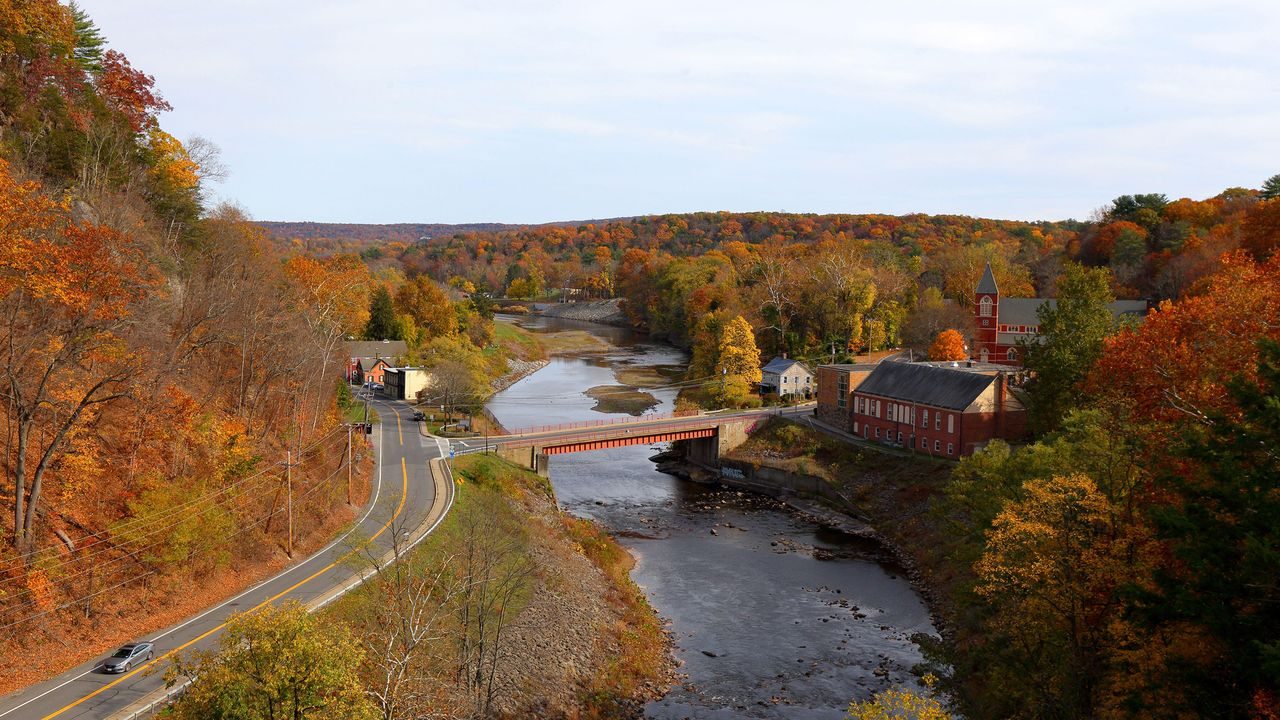
The Hudson Valley is America’s oldest wine-growing region, with commercial vineyards dating back to the 1600s, though it stays overshadowed by better-known regions further upstate and out west.
What Makes the Region Distinct
Cooler temperatures and a shorter growing season mean Hudson Valley wineries tend to focus on hybrid and cold-hardy grape varieties rather than the classic varietals grown in warmer climates. Many also produce hard cider alongside wine, taking advantage of the region’s orchard history.
Six Worth Visiting
- A family-run vineyard known for cold-hardy hybrid whites
- A riverside winery with outdoor tasting space and valley views
- A historic cidery producing both sweet and dry hard ciders from local orchard fruit
- A small-batch winery focused on fruit wines beyond grapes
- A tasting room specializing in sparkling wine made with the traditional method
- A newer cidery pairing tastings with wood-fired food on weekends
Visiting Tips
Most tasting rooms are small and family-run, so calling ahead on weekends is worthwhile, especially during peak fall season when bus tours can fill a tasting room quickly. If you’re visiting more than one in a day, arrange transportation in advance rather than driving between stops yourself.
Our Hudson Valley Wine & Cider Trail tour visits three of these stops in one afternoon with a driver included.
When to Go
Harvest season, from late August through October, brings the most activity, with some wineries hosting small harvest festivals and grape-stomping demonstrations on weekends. Winter and early spring visits are quieter, with more one-on-one time with tasting room staff but fewer events happening on-site.
Pairing a Tasting With Food
Most tasting rooms offer only light snacks, so if you’re planning a full afternoon, it’s worth building in a stop at a nearby farm stand or restaurant for a proper meal. A few wineries now partner with local food trucks on weekends during peak season, which is worth checking before you go.